
A quarter of an hour from the first tee at Cape Schanck, a dog called Enzo is scratching at the base of an oak. He is a Lagotto Romagnolo, bred for exactly this, and he is entirely certain of himself. Jane Groves kneels and lifts out a rock-like lump, dark and irregular, with a dense, earthy perfume that fills the grove long before it will fill a kitchen. Only Enzo knew what lay beneath.
The National Journal Presents
Grown Here
Where the menu begins. Truffles at Flinders, wine at Red Hill, and the friendships behind a plate at The National.
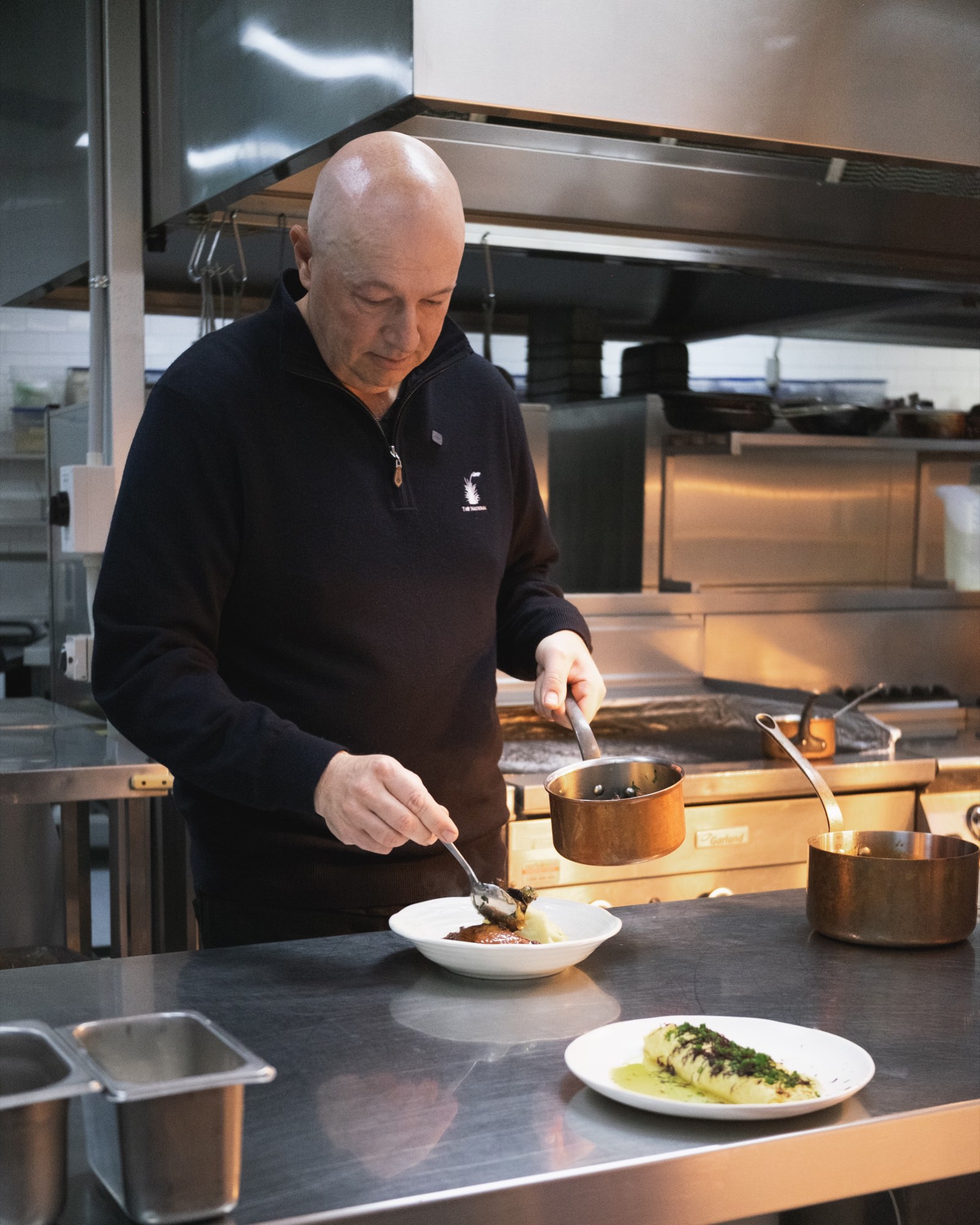
This is Flinders Truffles, and it is where a plate at The National begins. The club’s kitchen sits within half an hour of some of the best growers in the country, and Hospitality Manager Ben Vernes is particular about what to call them. “They are friends,” he says. “They’re not necessarily just ‘people we do business with.’” Grown Here follows Ben and Executive Chef Craig Gorton out of the club on a winter Thursday to visit two of them.
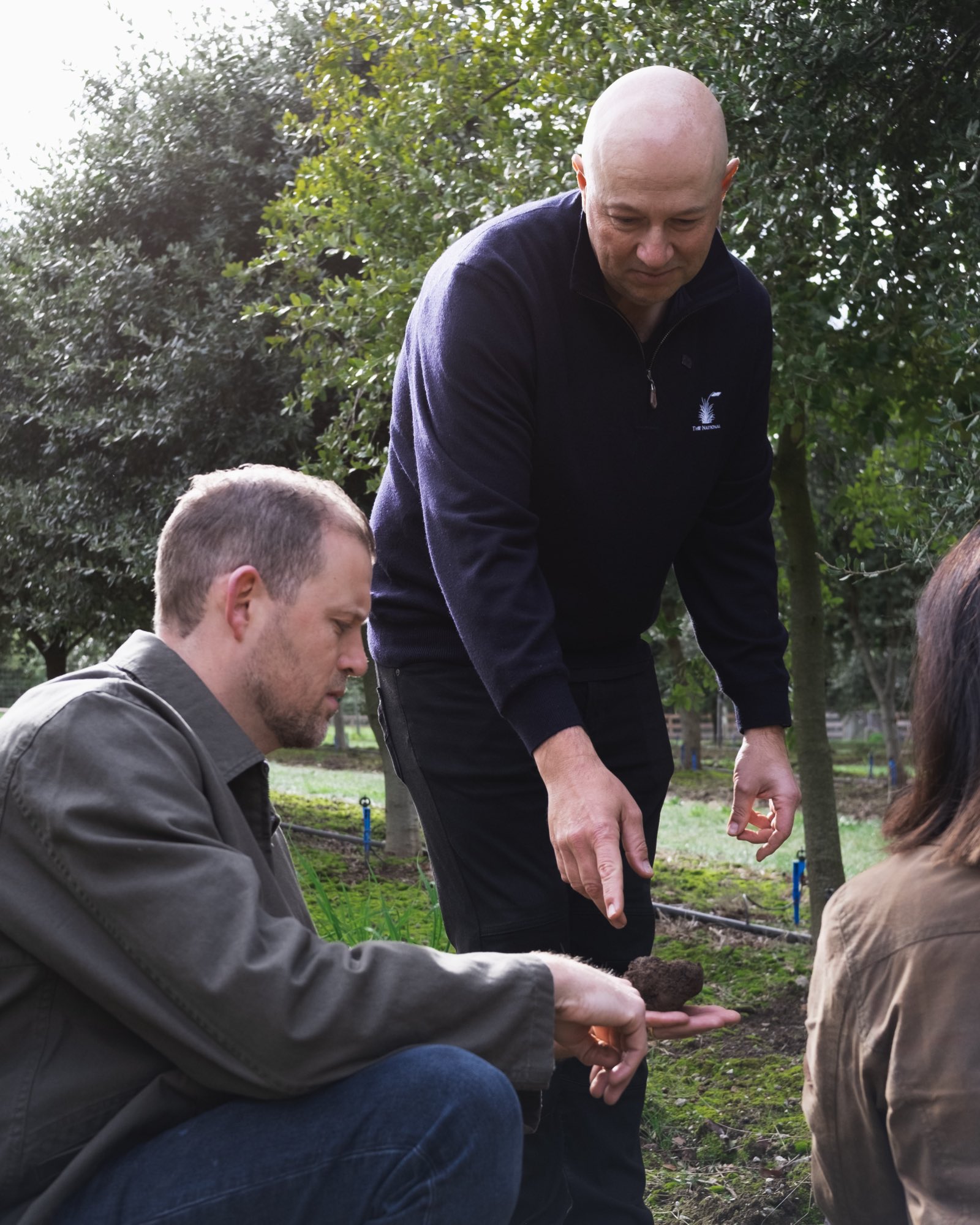
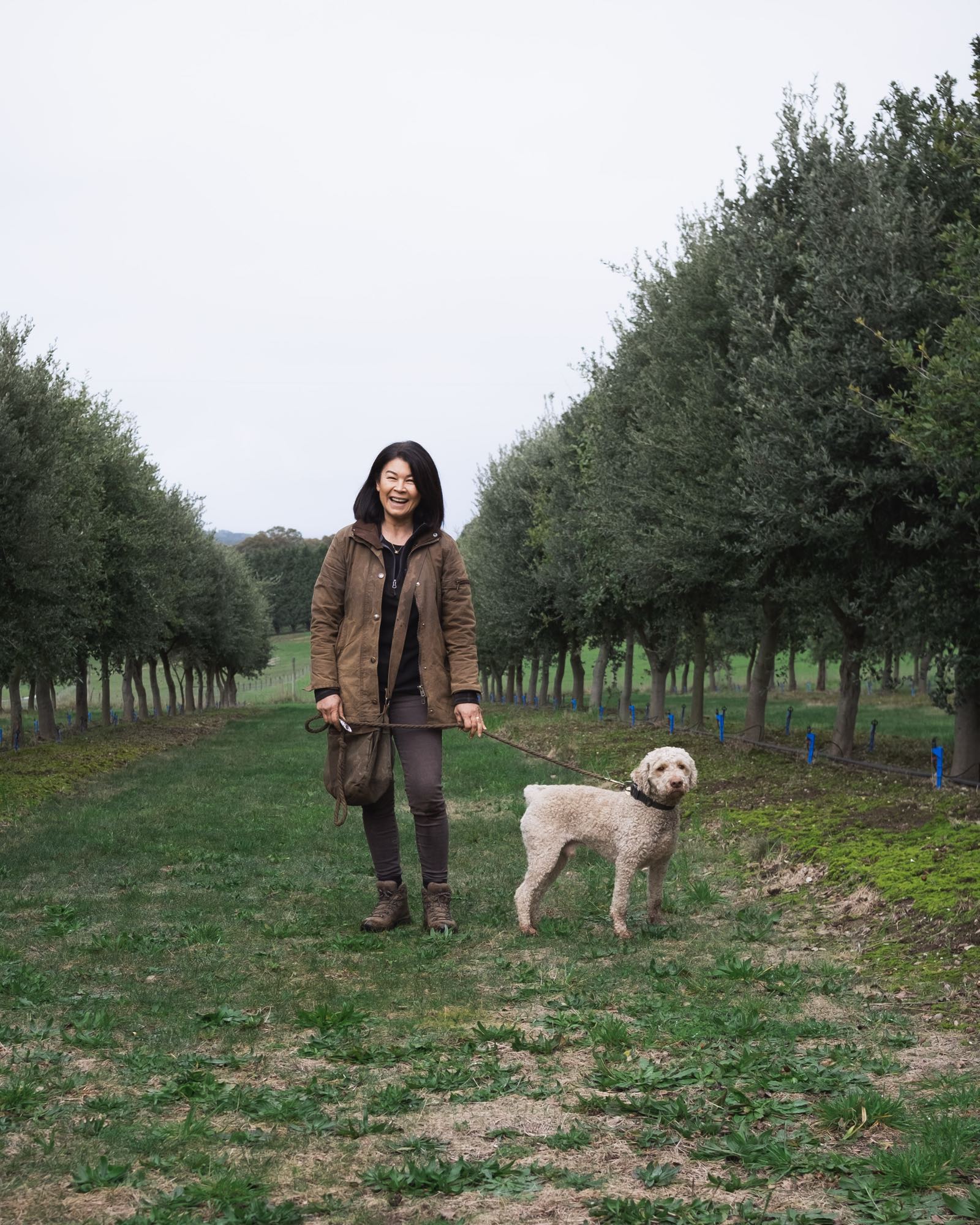
Jane and her husband Tony did it the hard way round. Rather than buy a farm and work out what to grow on it, they went looking for land that would grow a truffle, found it at Flinders, and planted seven hundred and fifty French oaks. The balance went in the following year. Twelve hundred trees now, a decade on, with a farm gate open at weekends and an export list that runs to Japan, Singapore, Korea, Taiwan, Europe and New York. The morning we visit, a call has just come through: this lot is packed for Korea tomorrow.
The black truffle has earned its reputation for difficulty. It grows underground in partnership with the roots of the oak and cannot simply be planted: the trees are inoculated as seedlings, and then you wait, often the better part of a decade, for a first harvest. It is a winter crop, dug from June to August, and it is found not by sight but by a trained nose, Enzo’s in this case. Gram for gram it remains one of the most expensive ingredients in the world, which is why a lump the size of a fist is treasure, and why Jane calls the hunt exactly that.
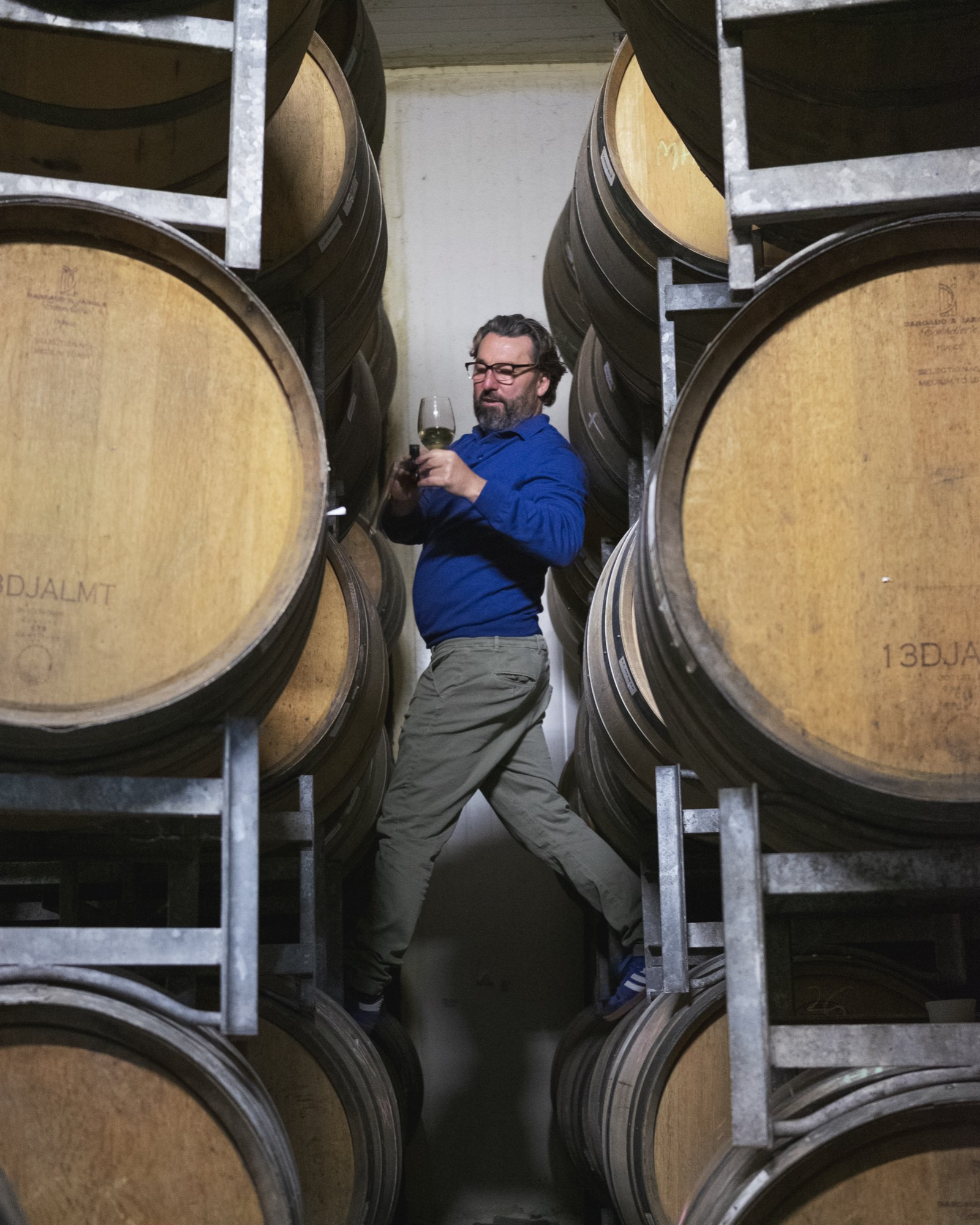
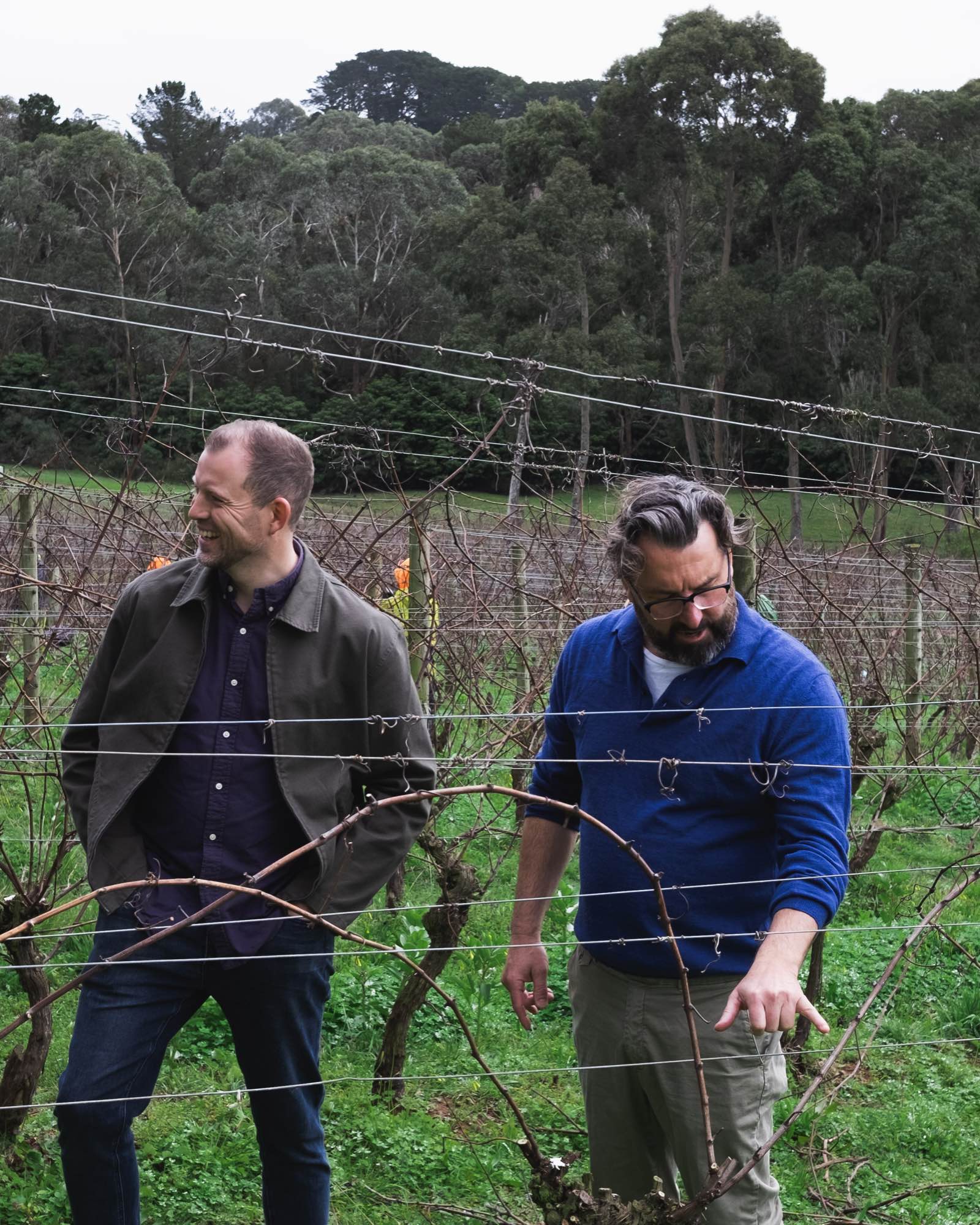
Fifteen minutes on, at Red Hill, Sam Coverdale is doing the opposite of harvesting. Polperro is a small, hands-on winery on the Mornington Peninsula: an hour from Melbourne, cooled by the sea on three sides, and among Australia’s most respected addresses for Pinot Noir and Chardonnay. August is the vineyard’s quietest month. Old wood comes off, fresh wood goes down, and last year’s vintage goes into bottle. “I’m not rolling the dice anymore,” Sam says. “Mother nature can’t come and get me.”
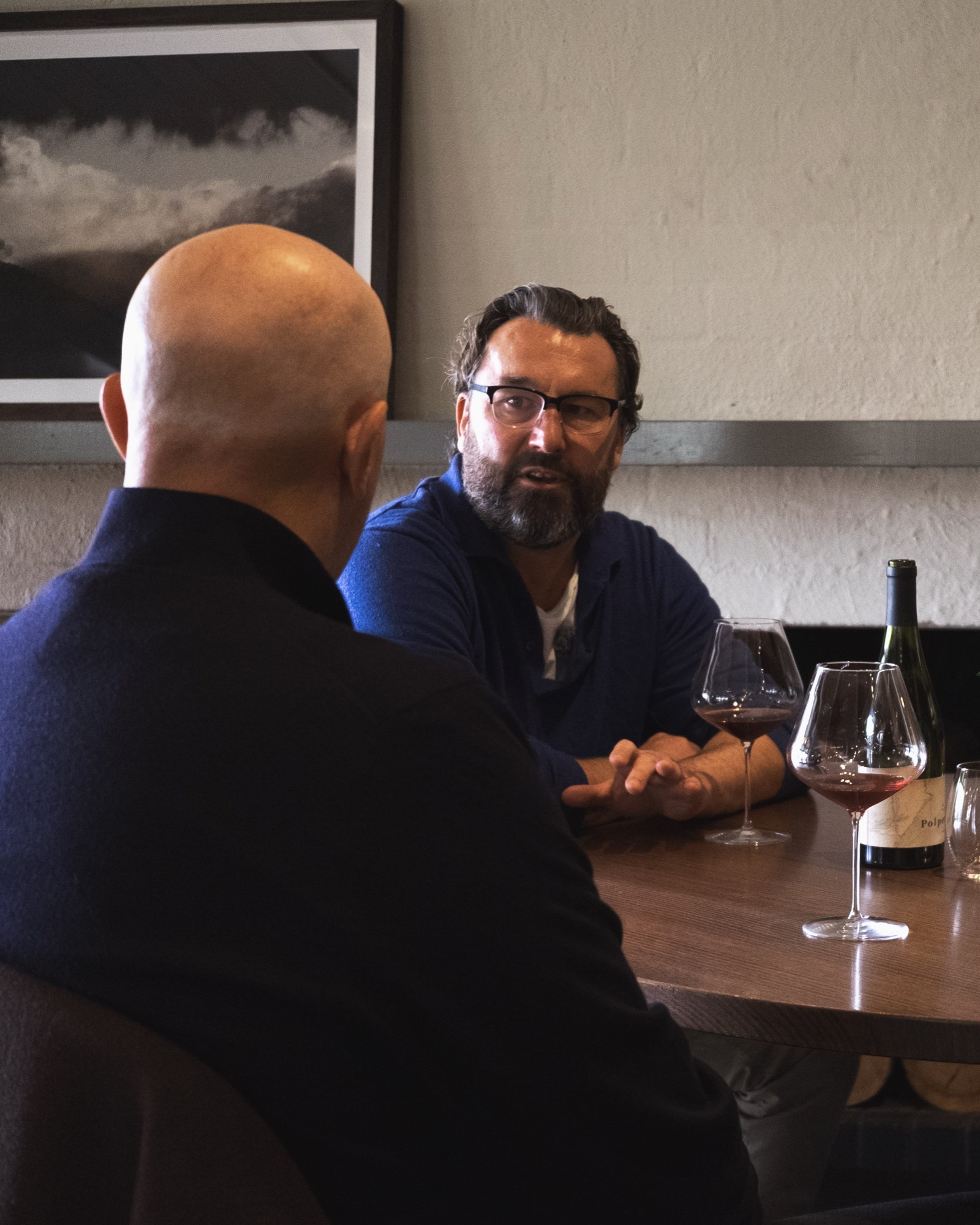
Polperro is one of several Peninsula names behind the club’s menu, alongside St Andrews Beach Brewery, Millars Bread and Industry Beans, and the relationship runs deeper than a wine list. Members have started asking about the Polperro dinners by name. The 2024 Estate Chardonnay poured this winter came out of a cold, wet spring and a small crop: barrel fermented, no new oak, fruit weight without heaviness, and the saline edge that says Mornington.
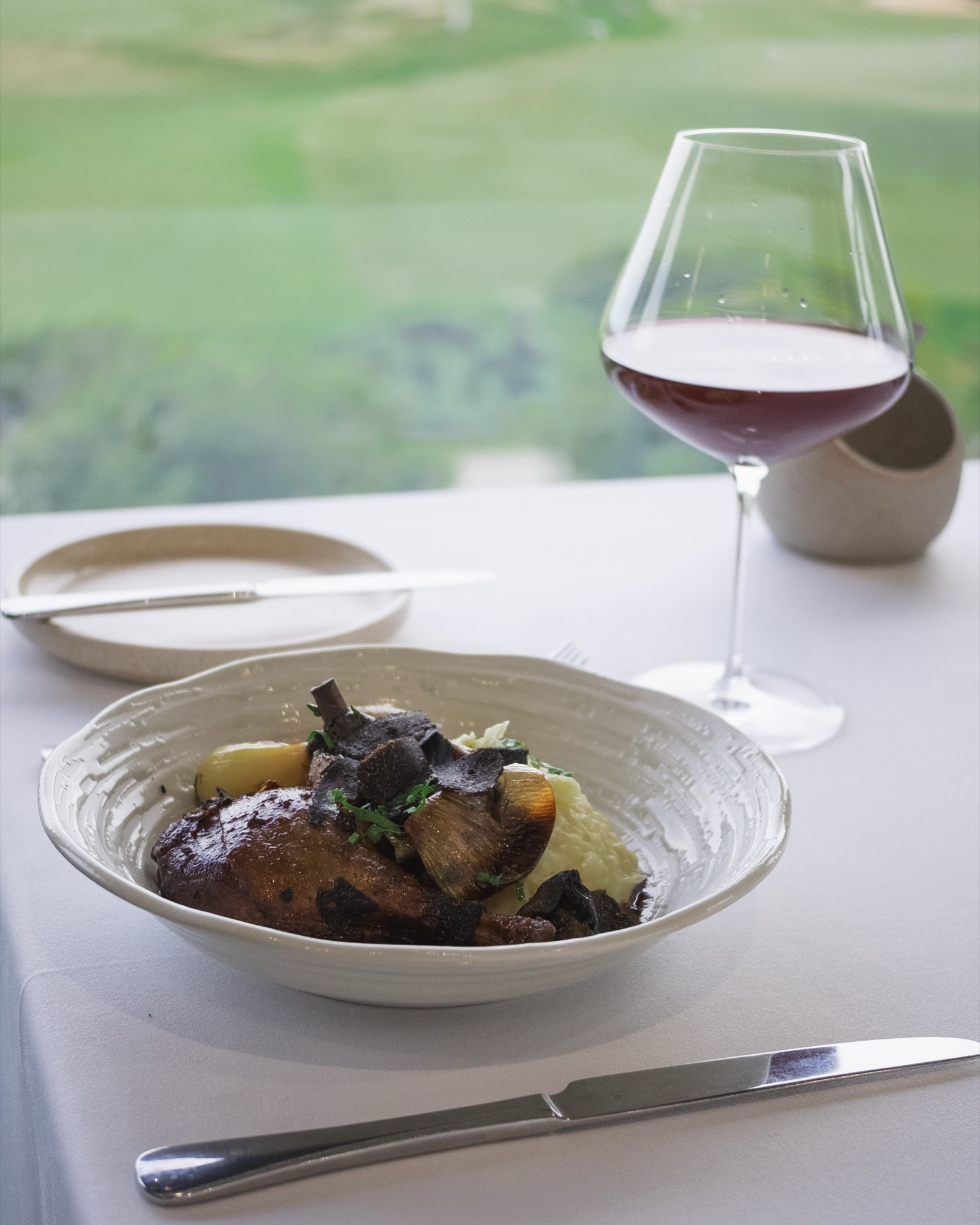
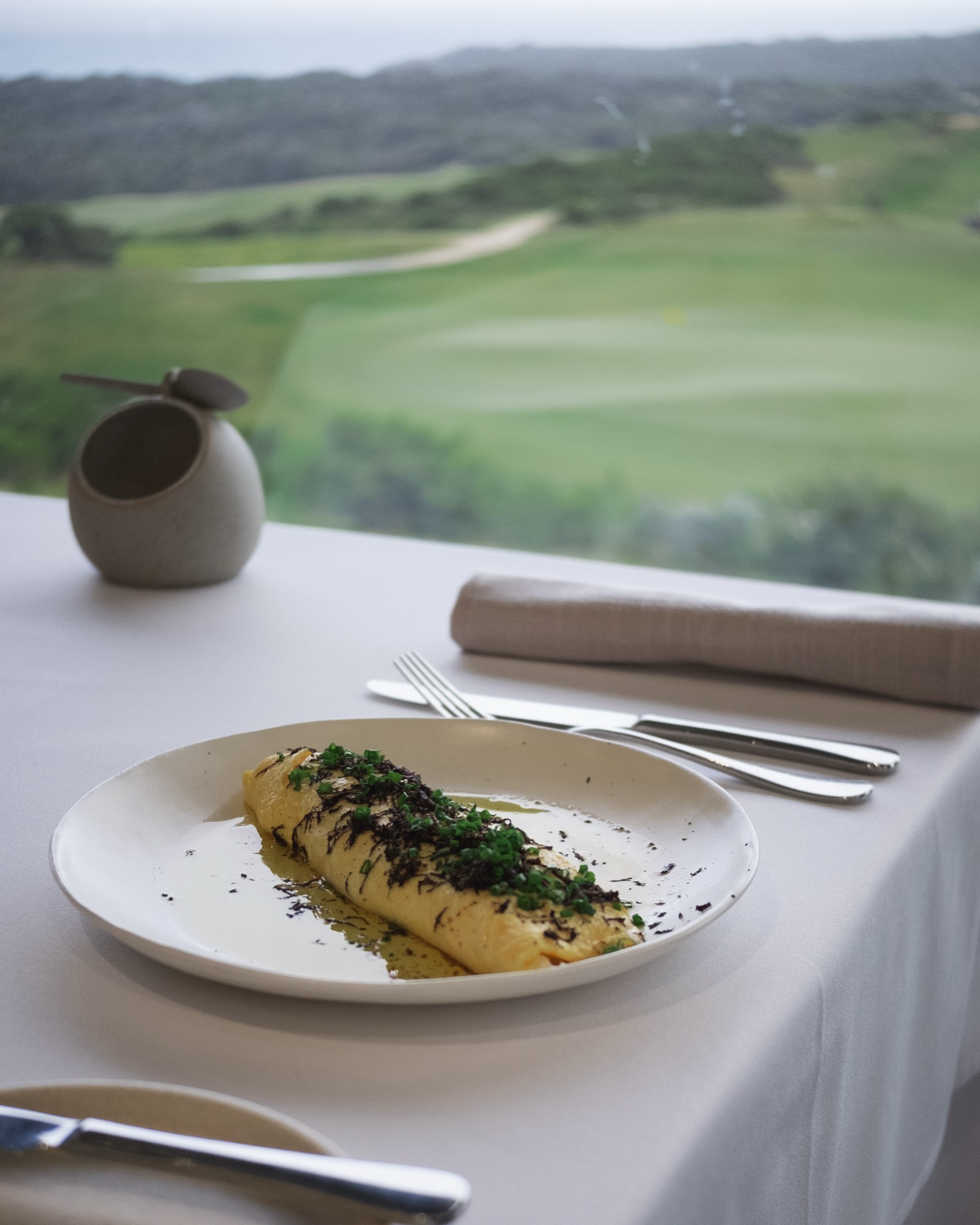
What arrives on the table at Cape Schanck is the last five per cent of all of it. The truffle on that plate was in the ground on Thursday morning.
On the plate
Flinders Truffle Spanner Crab Omelette
2024 Polperro Estate Chardonnay
Flinders Truffle Duck Bourguignon
2024 Polperro Estate Pinot Noir
That is the idea behind Grown Here, and behind the series it begins. The National is part of the Peninsula rather than simply sited on it, and the membership gets to taste the difference.
Grown Here is the first film in a new series from The National Journal.